


Thirukkural
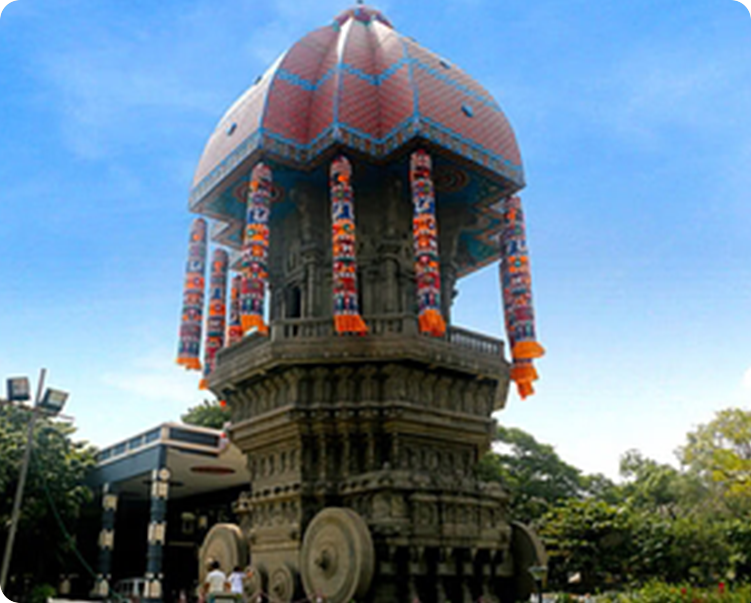
The monument – Valluvar Kottam:
The picture to the left is of a monument in Chennai, India. It was built in 1970 and is dedicated to Thiruvalluvar, the author of this classical Tamil poem collection named Thirukkural.
Interesting facts about Thirukkural:
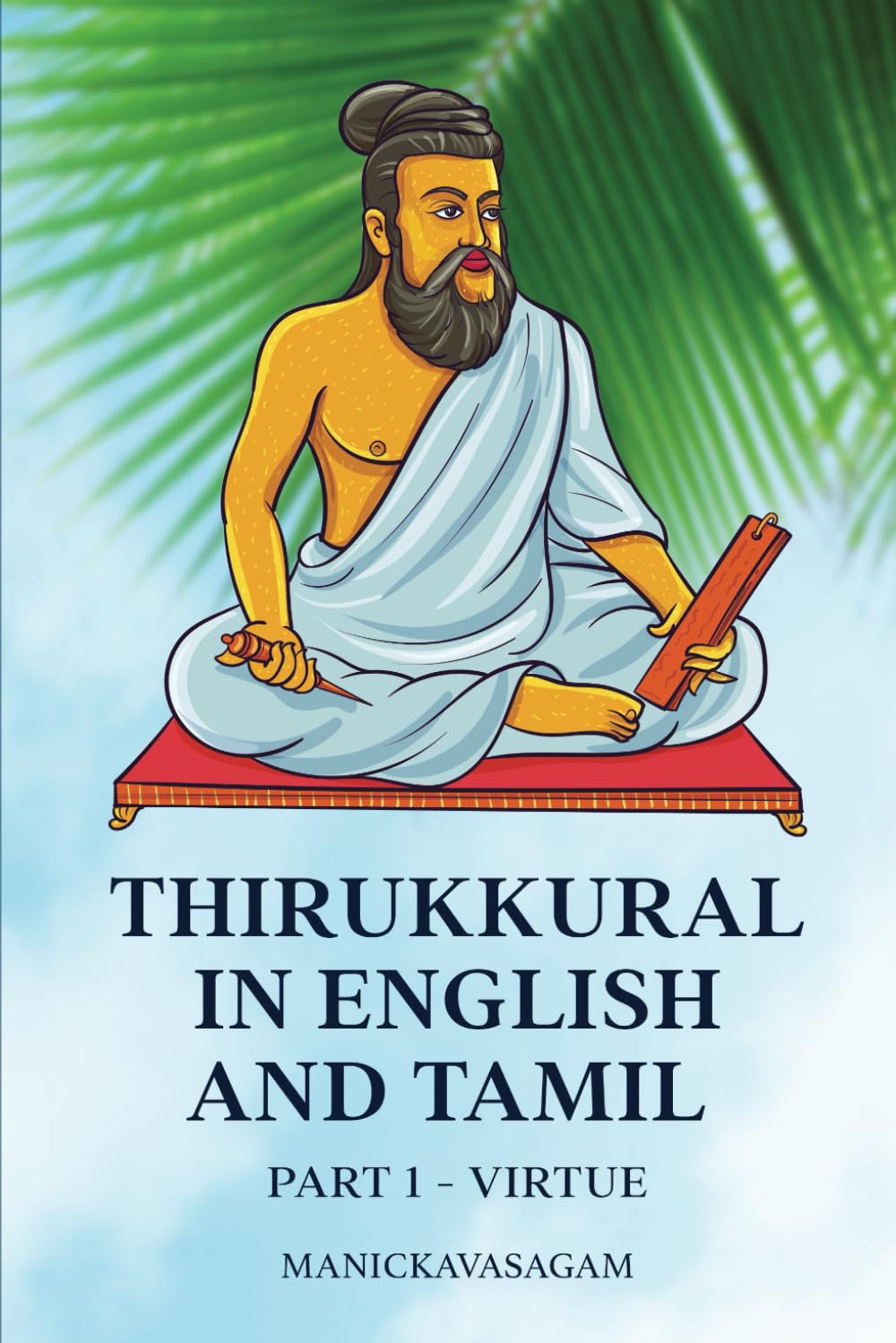
Thirukkural was written few thousand years ago on Palm Tree Leaves using metal stylus (knife pen) by the author known as Thiruvalluvar, aka., Poyyamozhi Pulavar and Theivappulavar
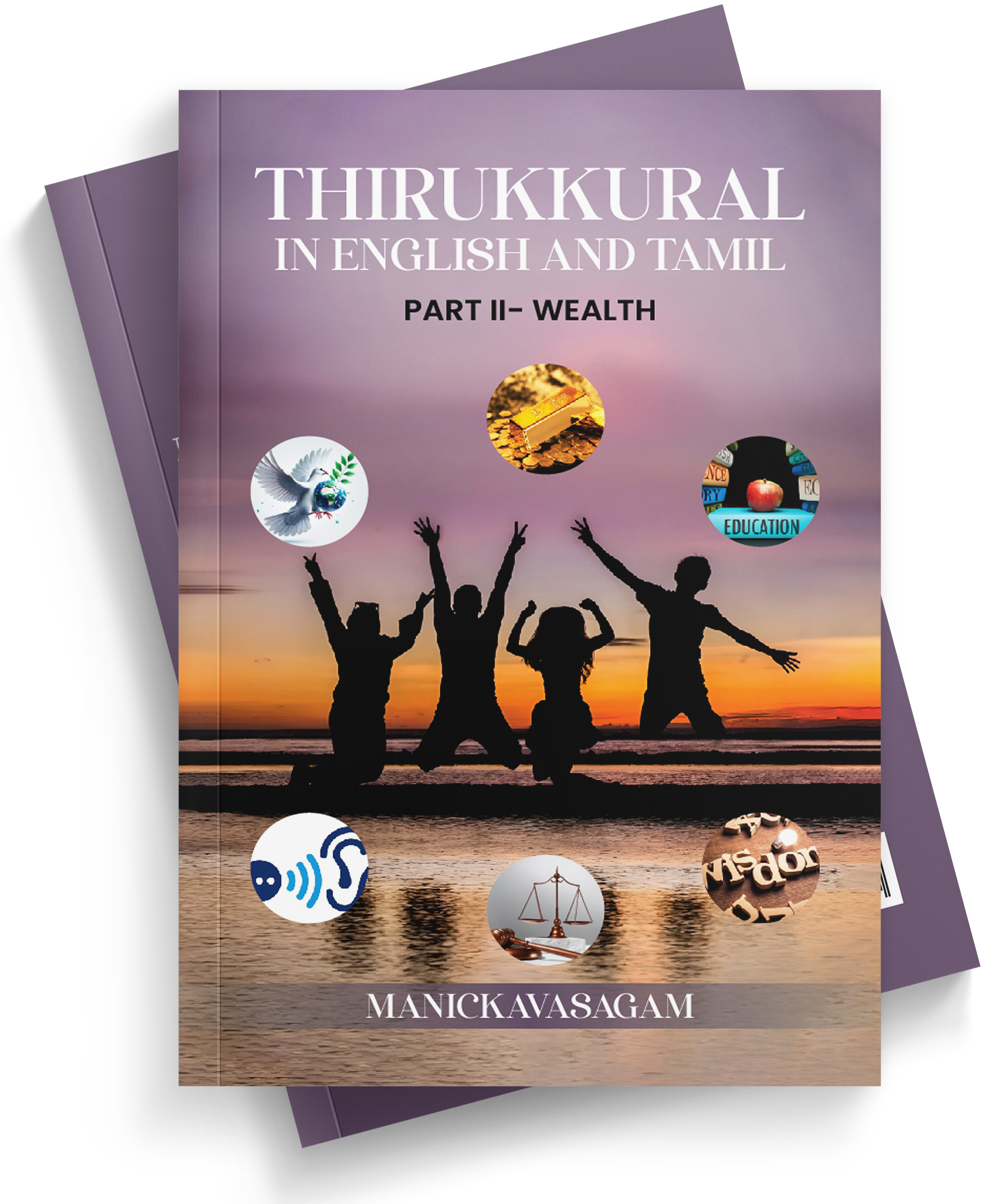
It is a classic Tamil-language poem collection consisting of three main sections, namely, Virtue, Wealth, and Pleasure. Each section covers several topics. Section one contains 38 topics, Section two contains 70 topics, and Section three contains 25 topics. Each topic contains 10 couplets (Kurals).
It consisted of a total of 1,330 short, two-line couplets. Each couplet is written using only seven words; however, information is packed within it, like the DNA, which holds a lot of information.

தலைப்பு / Topic 01: கடவுள் வாழ்த்து / Praising and Worshipping God
தலைப்பு / Topic 02: வான்சிறப்பு / The Great Significance of Rain
தலைப்பு / Topic 03: நீத்தார் பெருமை / Praising the Ascetics
தலைப்பு / Topic 04: அறன்வலியுறுத்தல் / Enforce Virtuousness
தலைப்பு / Topic 05: இல்வாழ்க்கை / Family Life
தலைப்பு / Topic 06: வாழ்க்கைத் துணைநலம் / The goodness of a wife
தலைப்பு / Topic 07: மக்கட்பேறு / The greatness of having children
தலைப்பு / Topic 08: அன்புடைமை / The Possession of Love
தலைப்பு / Topic 09: விருந்தோம்பல் / Benevolence Of Hospitality
தலைப்பு / Topic 10: இனியவைகூறல் / Talking Sweetly
தலைப்பு / Topic 1: கடவுள் வாழ்த்து / Praising and Worshipping God
குறள் 02:
கற்றதனால் ஆய பயனென்கொல் வாலறிவன்
நற்றாள் தொழாஅர் எனின்.
தூய அறிவு வடிவாக விளங்கும் இறைவனுடைய நல்ல திருவடிகளை வணங்காதவர், தாம் கற்ற கல்வியினால் ஆகிய பயன் என்ன?.
Will the possession of profound knowledge and wisdom be useful or beneficial without praying at the glorious feet of God, who has the ultimate knowledge and wisdom of all?